10 biggest challenges in fitness app development

by
Nicole Franco
on
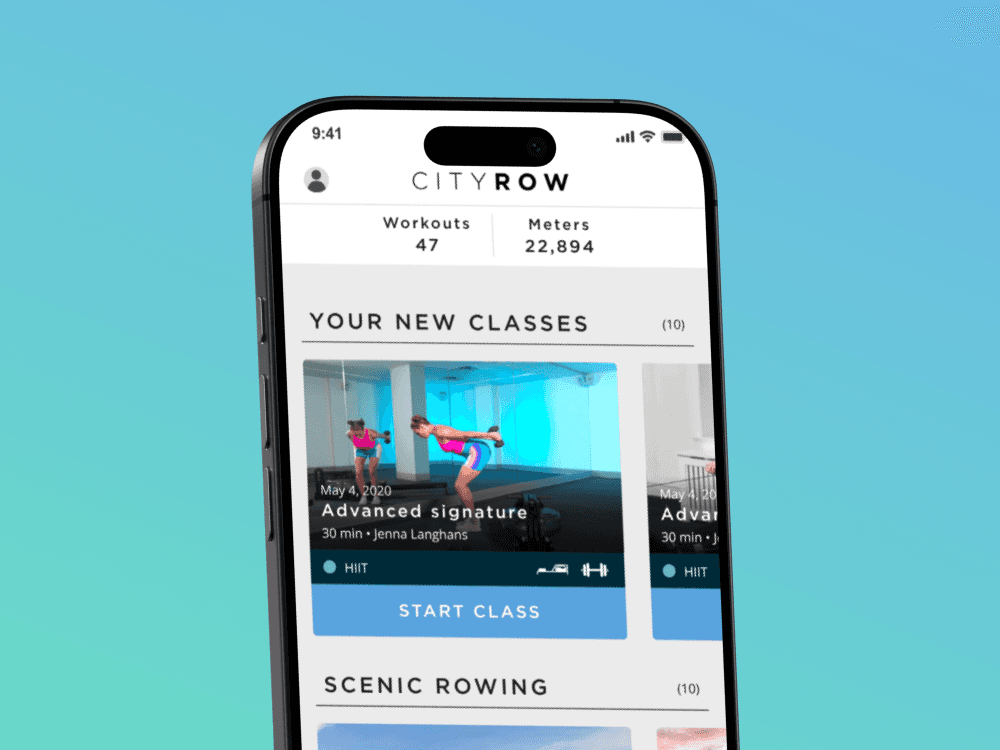
Ever thought creating a fitness app would be simple? Not quite.
While the idea of a fitness app may seem straightforward, track workouts, show progress, motivate users, the reality behind building a successful fitness app is far more complex. Behind the curtain live complex algorithms, real-time hardware integrations, strict data privacy regulations, and the constant need for a intuitive user experience.
Today, building a fitness app goes far beyond launching a mobile product. For most fitness businesses, it’s about creating a complete ecosystem: an app that connects to hardware, handles performance data reliably, integrates with third-party platforms, and scales across devices, operating systems, and user bases.
Below, we break down the biggest challenges in fitness app development, based on real-world experience building connected fitness products.
1. Equipment connectivity and ecosystem building
Fitness apps don’t work in isolation. Modern fitness experiences require seamless connectivity between:
Mobile apps
Wearables
Third-party platforms like Strava and Apple HealthKit
Creating reliable, real-time equipment interaction and connectivity is one of the most technically challenging aspects of fitness app development, and a defining factor for connected fitness products.
2. Designing for multiple screen sizes and devices
One of the biggest challenges, especially for consumer-facing fitness apps, is responsiveness. Users access fitness apps on phones, tablets, TVs, and even embedded equipment screens, all with different sizes, resolutions, and orientations.
While responsiveness is a challenge for any app, it becomes especially complex for fitness apps because:
Large volumes of data must be displayed clearly (metrics, graphs, live stats)
Users may be moving or exercising while interacting with the app
Interfaces must work in both portrait and landscape modes
Presenting performance data in a logical, readable, and motivating way across all devices requires careful UX and UI planning.
3. Intuitive UX in high-pressure environments
Fitness apps, especially commercial ones that are often used in public environments like gyms, hotels, or studios, users don’t have time to learn how the app works. If the interface is:
Confusing
Slow
Overloaded with information
…users will simply stop using it.
Expectations are high. People compare your fitness app not only to other fitness apps, but to the best consumer apps they use every day. Creating an intuitive experience where users can instantly understand what to do is a major challenge and a critical success factor.
4. Data accuracy and user trust
Fitness apps live and die by data credibility. If your app connects to fitness equipment and number such as calories burned, distance, power output, heart rate, power curves, speed, feel wrong or inconsistent, users lose trust quickly. Once trust is gone, retention collapses.
Ensuring data accuracy involves:
Correct sensor readings
Reliable hardware communication
Well-tested algorithms
Transparent data presentation
This becomes even more complex when combining data from multiple sources such as fitness equipment, wearables, and third-party platforms.
5. Innovation in mature products
Adding new features to an early-stage app is relatively easy. Doing so in a mature fitness app is much harder.
At a certain point:
Most obvious problems are already solved
New features risk adding complexity instead of value
Users may resist change
Finding meaningful innovation, without breaking existing flows or overwhelming users, is an ongoing challenge for established fitness platforms.
6. Motivating users to adopt new features
Even great features don’t matter if users don’t engage with them. In many fitness apps, a large percentage of users stick to familiar screens or free sessions and ignore new functionality.
Convincing users to explore new features requires:
Smart onboarding
Clear value communication
Gradual feature introduction
Motivation through personalization and feedback
Feature adoption is as much a product and UX challenge as it is a technical one.
7. Meeting rising user expectations
Today’s users expect more than workout videos or basic tracking. They want:
Personalization
Smart AI-driven recommendations
Real-time feedback
Secure and compliant data handling
In other words, users are looking for a digital health companion, not just another app counting calories or offering static workouts. For businesses entering the digital fitness space, understanding these expectations, and the complexity behind them, is essential to building a competitive product.
8. Cross-platform development that feels native
To reach the full market, fitness apps must support both iOS and Android. The challenge is doing so without building and maintaining two completely separate native apps or using cross-platform frameworks that may reduce upfront costs but often results in apps that feel generic, less reliable, and fail to deliver a truly native experience on each platform.
The goal is to:
Maximize code reuse
Maintain native look and performance
Reduce development and maintenance costs
Achieving this balance requires the right architecture, tooling, and experience.
9. Continuous maintenance and updates
Launching a fitness app is only the beginning.
Ongoing challenges include:
Shipping updates without causing crashes
Avoiding unpopular changes that hurt retention
Maintaining backward compatibility
Supporting new devices and OS versions
Continuous maintenance requires strong testing, monitoring, and release processes.
10. Scaling the backend for growth
One of the biggest differences between a hobby app and a successful fitness platform is whether the backend can scale. Fitness backends handle lot of moving parts, and without a scalable architecture, growth quickly becomes a problem rather than a success.
How to Overcome These Challenges
Working with a tech partner that specializes in fitness software, and ideally connected fitness, dramatically reduces risk. Domain experience means fewer assumptions, faster decisions, and more reliable outcomes.
Why MoveLab for Fitness App Development
At MoveLab, we don’t just build fitness apps, we build connected fitness ecosystems.
We specialize in the connected fitness domain, helping businesses create apps that:
Integrate seamlessly with fitness equipment
Deliver accurate, real-time performance feedback
Scale reliably as your user base grows
Feel intuitive, modern, and personalized
Our development is built on MoveLab Connect, our ready-to-use platform containing the most frequently requested fitness features. Because this platform is already tested and used by leading fitness brands, we can:
Build faster
Reduce development risk
Deliver higher reliability
Customize your ideas efficiently
Scale your app
The result? Lower development time, reduced costs, and a faster go-to-market without compromising quality.
If you’re serious about building a fitness app that goes beyond the basics and truly performs, partnering with a team that understands connected fitness makes all the difference.


