How Our Connections SDK Unifies the Indoor Rowing Ecosystem

by
Niek Haarman
on

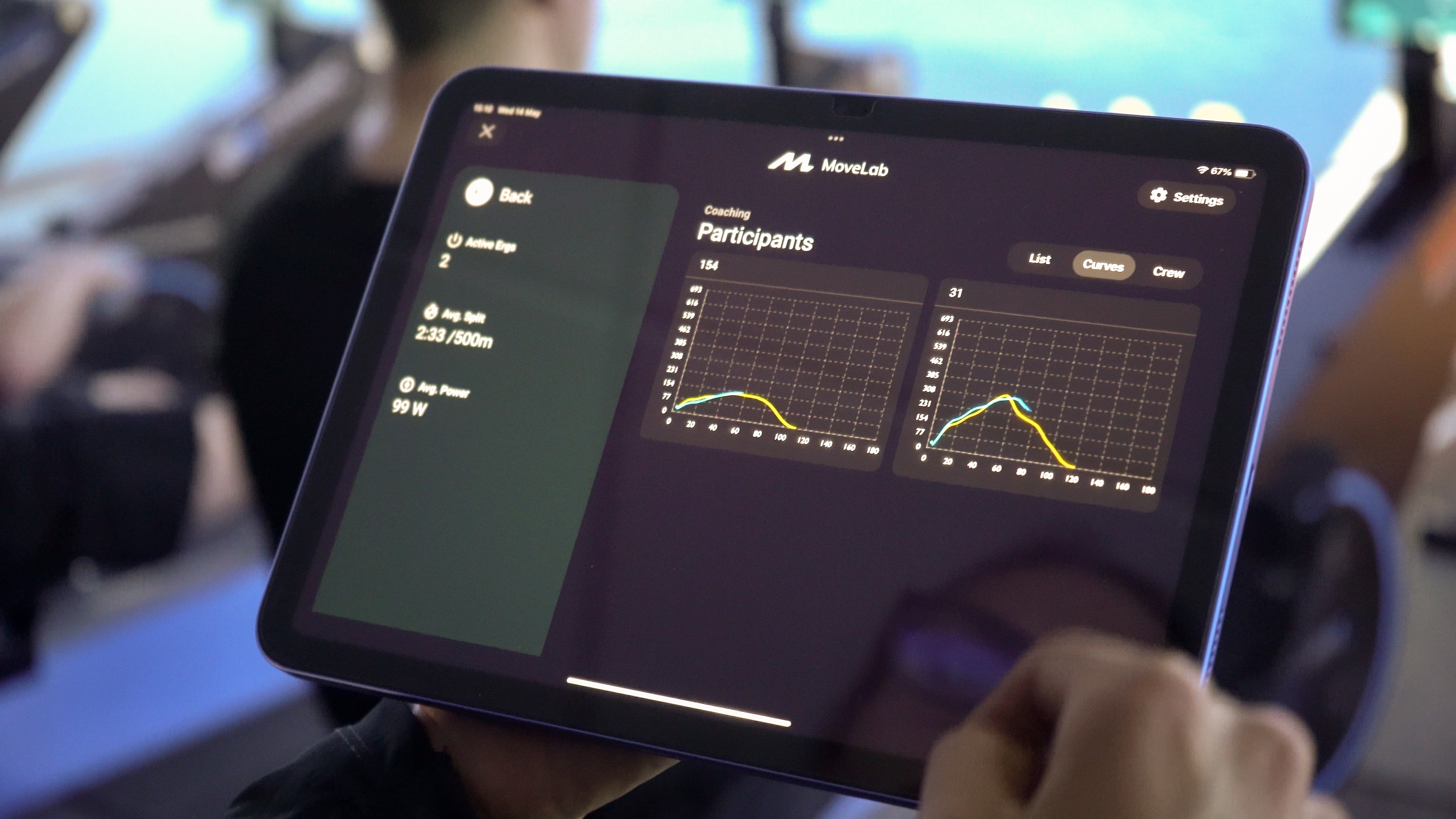
How our Connections SDK is bringing together the indoor rowing world. With EXR, myrow, RP3, CityRow and WR Connect connect to a plethora of rowing machines over Bluetooth and USB. Something only possible because of this single library.
Connections SDK: bringing the indoor rowing world together
The problem it solves
Indoor rowing is fragmented. Concept2, WaterRower, RP3 and SmartRow each built their own way of talking to apps: different data formats, different transports, some over Bluetooth, some over USB. For a rowing app, supporting more than one brand has always meant building and maintaining a separate integration for each one. That fragmentation is the reason so many apps only work with a single machine. And it gets worse the moment you step outside native mobile, into the game engines powering immersive rowing experiences.
How our SDK brings it together
The Connections SDK is the common ground. It speaks every rower's language internally and exposes one unified API on the outside. Plug it in once and the same code reads stroke rate, power, distance and split from any supported machine, identically, whether you are building a native Android app, a native iOS app or a Unity experience.
That single library is what lets the whole ecosystem meet in one place. EXR, myrow, RP3, CityRow and WR Connect all build on top of it, so a workout that runs on a Concept2 runs just as well on a WaterRower or an RP3, with no extra integration work on their side. One library quietly stitching the brands, the transports, the platforms and the engines into a single connected experience.
What it brings together
Concept2 RowErg: BLE + USB
WaterRower: Monitor (S4) and Force Pulley, over BLE + USB
RP3: RP3-S, RP3-T, RP3-Aqua, over BLE + USB
SmartRow PowerMeter: BLE
Generic FTMS rowers: any rower exposing the standard Fitness Machine Service, over BLE
Each brand's proprietary protocol is implemented directly, not approximated through a generic Bluetooth profile, which is what makes the unified experience feel native on every rower. And where a machine speaks the standard FTMS profile, that works out of the box too.
One core, three first-class platforms
Native Android, native iOS and Unity are all first-class targets, each given the same attention. A shared Kotlin Multiplatform core does the hard work of talking to the hardware once, then exposes it idiomatically on every platform:
Native Android (Kotlin): the SDK is Kotlin to the core, so Android apps consume it directly with coroutines and Flow, no wrappers in between.
Native iOS (Swift): a hand-tuned, idiomatic Swift API (async/await and AsyncSequence) makes it feel like a native Swift framework, not a Kotlin port.
Unity: dedicated Unity bindings bring the same live, real-time rower data into games, VR rowing worlds and interactive coaching.
Whichever you build on, you connect to every supported rower through the same unified API, without writing a line of Bluetooth or USB plumbing yourself.
Why only this library can do it
One API, every rower: the brands converge in one place instead of N separate integrations.
Native and game engine from one codebase: Kotlin Multiplatform at the core, with an idiomatic Swift API on the Apple side, native Android support, and Unity bindings for game and immersive experiences, so the same rowing data flows everywhere.
Years of rowing-industry depth: the protocol work that makes the convergence possible is all baked in.
Beyond rowing
The same foundation already reaches beyond rowing. Treadmills, bikes, weight stacks and heart-rate monitors connect through the exact same SDK.
Final thoughts
For years, supporting multiple rowing machines meant building the same integration work over and over again. The Connections SDK changes that equation. One API. Every major rowing platform. Native mobile and Unity support. Years of protocol expertise already built in.
The result is simple: developers spend less time connecting hardware and more time building great fitness experiences. And as the SDK continues to expand beyond rowing into bikes, treadmills, strength equipment and wearables, that same vision remains unchanged: make connected fitness easier to build.