The difference between fitness software and connected fitness software (and why it matters)

by
Joris Blaak
on
The fitness industry is no longer just about workouts. It is evolving into a fully integrated digital experience where data, hardware, and coaching come together to create something far more powerful than a simple app. Today’s users are not just looking to track activity. They expect guidance, personalization, and engagement across every touchpoint, whether they are training at home, in a gym, or on the go.
This shift is what separates traditional fitness software from connected fitness software.
From tracking workouts to building ecosystems
The main difference is that traditional fitness software supports workouts, while connected fitness software actively shapes and enhances them in real time. In addition, connected fitness connects software with hardware, wearables, and data streams to create a unified ecosystem. Instead of simply recording activity, it actively enhances the workout experience in real time.
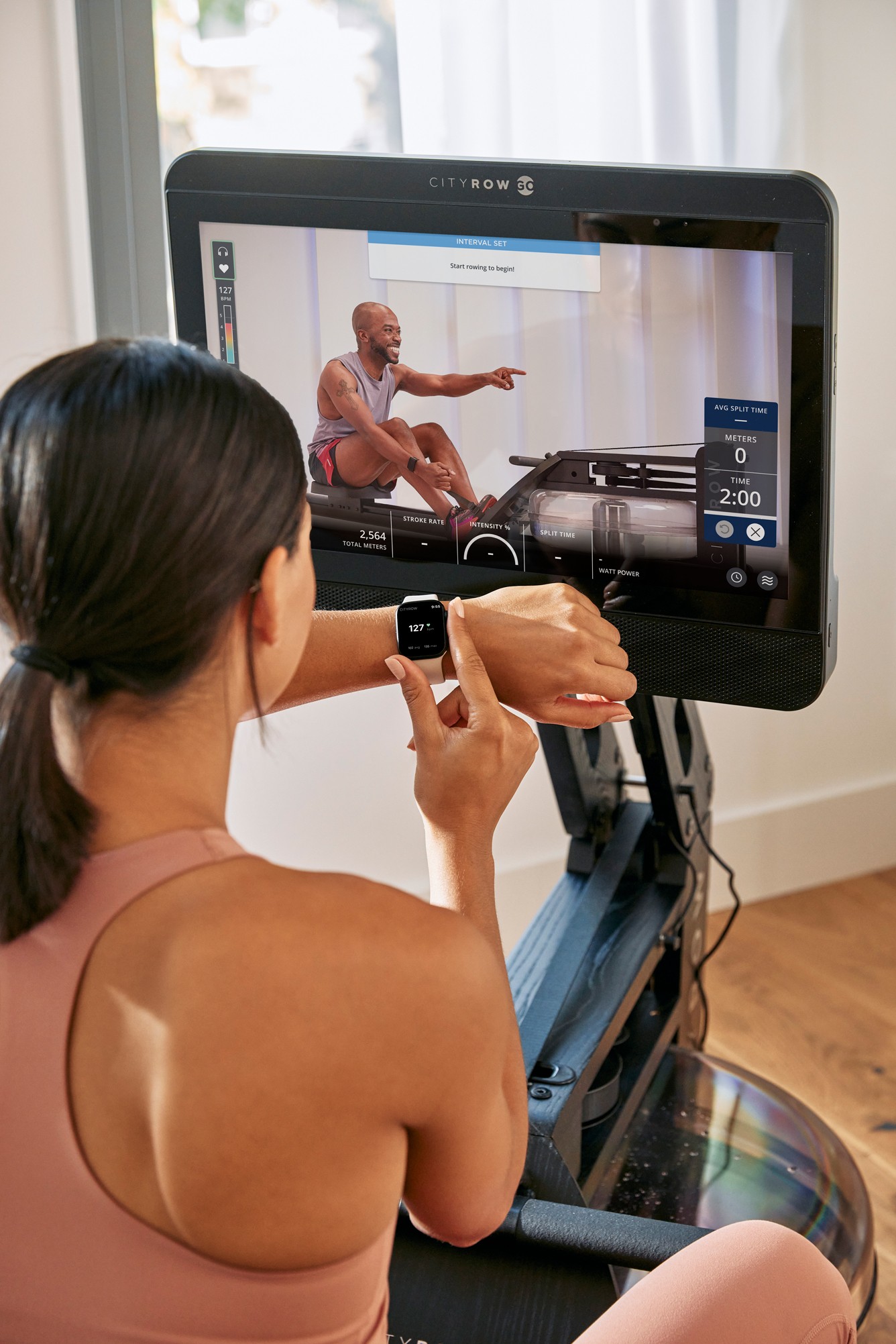
Think of smart bikes, rowing machines, treadmills, and wearables all working together. Data flows automatically, workouts adapt dynamically, and users receive instant feedback that keeps them engaged and progressing. This is no longer just fitness tracking. It is a continuous, data-driven experience.
Why connected fitness is growing so fast
The demand for connected fitness is accelerating rapidly, especially across Europe. According to the market analysis report by Grand View Research, the Europe connected fitness services market size is expected to reach USD 3,905.69 million by 2033, growing at a CAGR of 22.8% from 2025 to 2033. This shows that users are moving away from one-size-fits-all solutions and toward experiences that feel personal, interactive, and immersive.
Several key trends are driving this shift:
A growing focus on long-term health, performance, and prevention
Increased adoption of wearables and smart equipment
Demand for flexibility through hybrid fitness models (home + gym)
Expectation of personalized, data-driven coaching
Companies like Peloton, iFIT, and Technogym have shown what is possible when content, hardware, and data are fully integrated. But behind every successful connected fitness experience is a complex technology layer that enables all of this to work seamlessly and that is where connected fitness software comes into play.
The core differences that matter between fitness software and connected fitness software
1. From standalone tools to connected systems
Basic fitness software focuses on single functions like tracking or scheduling. Connected fitness software, on the other hand, links devices, applications, and data into one system. Workouts are no longer entered manually. Metrics like heart rate, speed, power, and repetitions are captured automatically through connected equipment and wearables.
2. From delayed insights to real-time feedback
Traditional apps usually provide all feedback after the workout is complete. Connected fitness software delivers feedback during the workout as well. Resistance can adjust automatically, performance can be tracked live, and coaching can respond instantly to user input. This transforms workouts from passive to interactive.
3. From individual use to community-driven experiences
Most basic fitness tools are designed for solo use. Connected fitness introduces community layers such as leaderboards, challenges, and shared workouts. Platforms like EXR demonstrate how gamification and social interaction can dramatically increase motivation and retention.
4. From isolated data to a holistic view
In traditional software, data stays within a single app. Connected fitness platforms integrate with broader ecosystems like Apple Health, combining workout data with sleep, recovery, and lifestyle metrics. This creates a complete picture of user health, enabling more personalized and effective recommendations.
Connected fitness is not just for home
While connected fitness gained traction through home workouts, its impact on gyms and studios is even more significant. Modern gym members expect more than just access to equipment. They want guidance, engagement, and measurable progress.
This is where connected gyms come into play.
By digitizing equipment and connecting it to a central platform, gyms can offer:
Seamless tracking across the entire gym floor
Interactive and guided workouts on machines
Personalized recommendations for each member
Built-in motivation through goals, rewards, and challenges
The result is a smarter, more engaging gym experience without increasing operational complexity.
So how do you actually build this?
This is where many fitness businesses get stuck.
Creating a connected fitness experience requires integrating hardware, software, data infrastructure, and user experience into one cohesive system. Building this from scratch is complex, expensive, and time-consuming.
Why MoveLab Connect is the epicenter of connected fitness
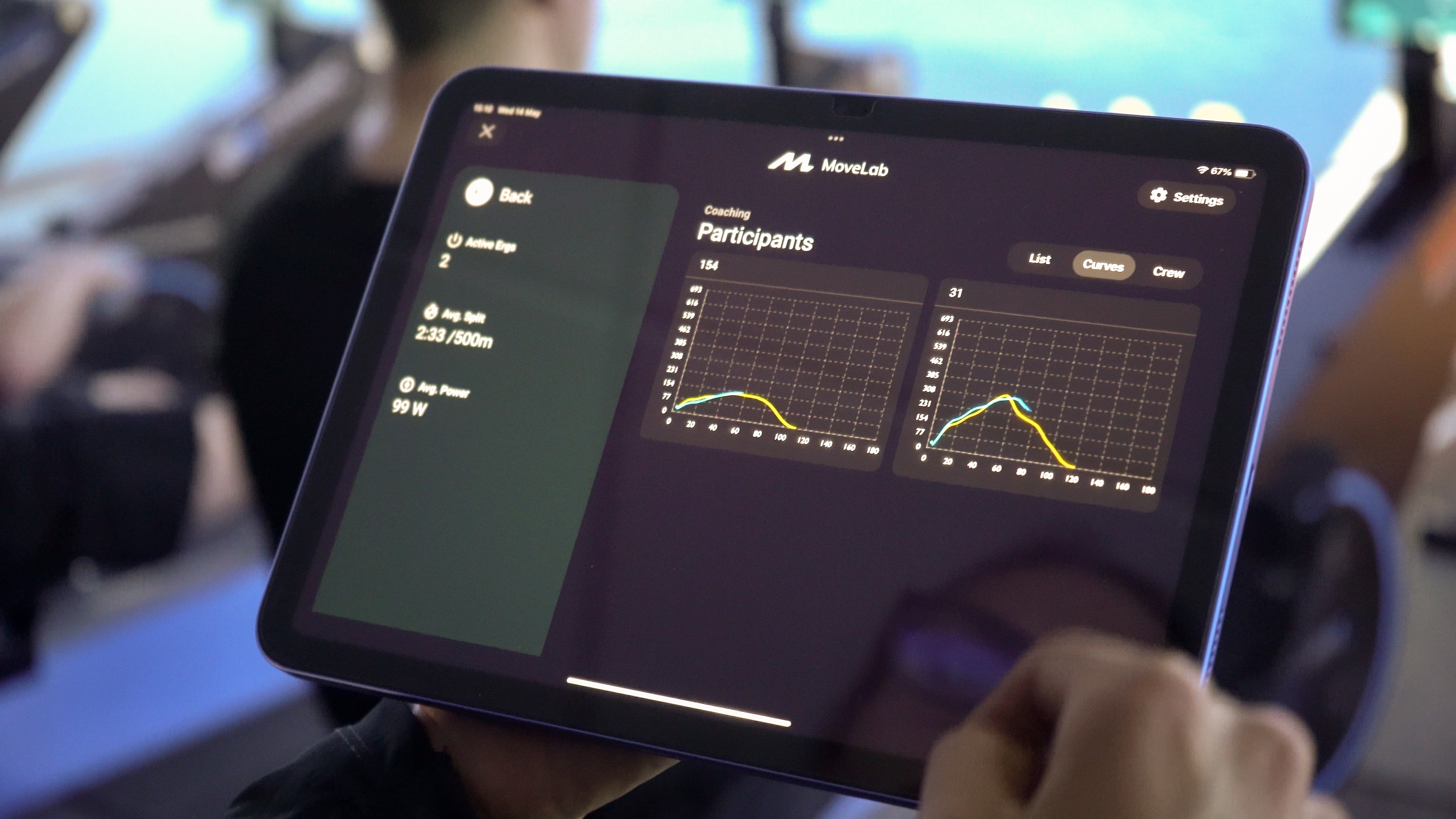
MoveLab Connect is designed to solve exactly this challenge. Instead of starting from zero, it provides a complete foundation for building connected fitness experiences across apps, equipment, and facilities.
At its core is the Connections SDK, which enables seamless integration between software and hardware. Whether it is a rowing machine, bike, treadmill, or wearable, everything can be connected into one ecosystem.
From there, the MoveLab Connect platform allows you to layer on the most in-demand connected fitness capabilities, such as:
Real-time performance tracking
Interactive and adaptive workouts
Gamification and community features
Cross-device data synchronization
Training and content management
For gyms, this means transforming an existing facility into a fully connected environment where members can track, engage, and improve without friction.
For equipment manufacturers, it means turning hardware into a digital product with ongoing value beyond the initial sale.
For fitness apps, it unlocks deeper engagement through real-time data and personalized experiences.
The future is connected
Connected fitness is not just a better user experience. It is also a stronger business model.
By integrating digital layers into fitness products and facilities, providers can:
Increase member engagement and retention
Create new revenue streams through subscriptions and digital add-ons
Strengthen brand loyalty through personalized experiences
Enable predictive maintenance and smarter operations
In short, connected fitness turns fitness products into long-term platforms.The shift from basic fitness software to connected fitness software is not a trend. It is a fundamental change in how people experience fitness.
MoveLab Connect sits at the center of this transformation, enabling fitness businesses to build, scale, and innovate without the complexity of doing it alone.