The fitness industry is scaling through digitalization: a guide for gyms and studios to stay competitive

by
Joris Blaak
on
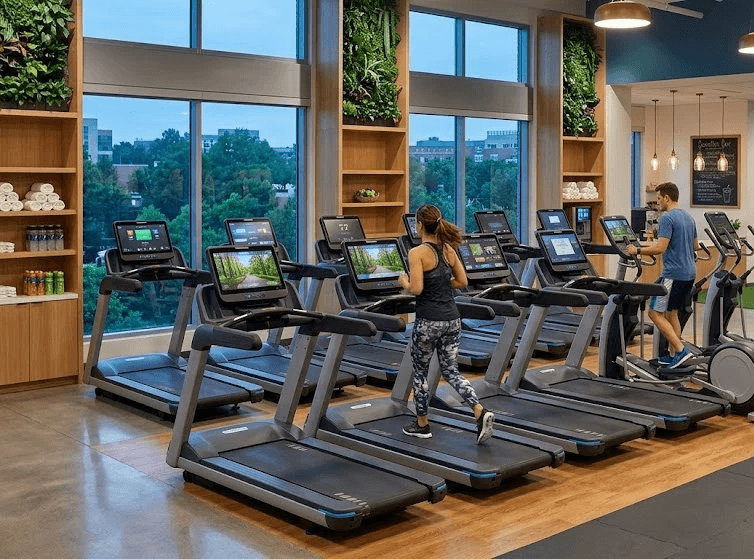
Europe’s fitness industry is growing at record speed. According to Fitt Insider, the region reached 75.5 million gym members in 2025 and is moving toward a goal of 100 million by 2030. Revenue climbed to €39.1 billion across approximately 66,000 facilities, with operators across Europe rapidly expanding their offerings, locations, and member experiences.
Brands like Basic-Fit, PureGym, and RSG Group are scaling through innovation, connected experiences, recovery zones, smart equipment, and highly standardized member journeys.
But behind this growth is something even bigger: digitalization.
Digitalization is no longer optional for fitness operators
Digital transformation is not a new concept. Every industry is evolving through technology, automation, AI, and connected systems. Fitness is no exception. The modern member expects convenience, personalization, and consistency. They are used to apps that know their preferences, wearables that track their progress, and platforms that provide instant feedback.
Gyms are already embracing digitalization through:
Online class booking
On-demand training content
AI-powered customer service and chatbots
Gamification and challenges
Smart fitness equipment
Connected wearables
Digital fitness communities
Personalized workout recommendations
The question is no longer if gyms should digitalize, but how far behind are you if you do not?
Questions to evaluate your digital maturity
If you are planning to scale, these are important questions to evaluate your current digital maturity:
Are your machines outdated?
Do your machines have connected screens or tablets?
Are your machines collecting data?
Do they integrate with wearables?
Do you offer a member app?
Can your systems personalize training?
Are your locations connected under one ecosystem?
Can members continue their experience seamlessly across clubs?
These questions become even more important when scaling from one location to multiple facilities.
Why digitalization matters when scaling
Scaling a gym or studio is not just about opening more clubs. It is about maintaining consistency, quality, and member engagement across every location.
Digitalization helps operators:
Deliver consistent experiences: A connected ecosystem ensures members receive the same experience no matter which gym they visit. Their training data stays connected, preferences remain saved and their workouts continue seamlessly. This creates familiarity, retention, and trust.
Reduce operational pressure: Digital systems reduce manual work for coaches and staff. Instead of remembering previous workouts or manually adjusting programs, systems can automatically provide:
Personalized workout recommendations
Weight suggestions based on previous performance
Training progression tracking
Workout history and performance data
Support more types of members: Not every member trains the same way. Some members are highly data-driven and independent. Others prefer guidance but cannot afford regular personal training. Others simply want motivation and structure. Digitalization allows gyms to serve all of them simultaneously.
Better business insights: Scaling successfully requires understanding what actually works. Connected systems allow operators to track:
Most-used training plans
Most-used equipment
Workout duration
Screen interaction rates
Peak usage times
Member behavior changes
For example, if members suddenly start training less frequently, operators can identify disengagement earlier and improve retention strategies before cancellations happen. Data becomes one of the most valuable tools for scaling.
Connected fitness: The new standard of digitalized fitness
Connected fitness combines physical hardware with software to create one integrated ecosystem.
This means:
Machines communicate with apps
Wearables sync with workouts
Training data follows members everywhere
Coaches access real-time insights
Members receive personalized recommendations automatically
This is where the industry is heading.
Creating smarter training experiences through digitization
Digitalization goes far beyond simply adding screens to equipment.
Modern digitized experiences can include:
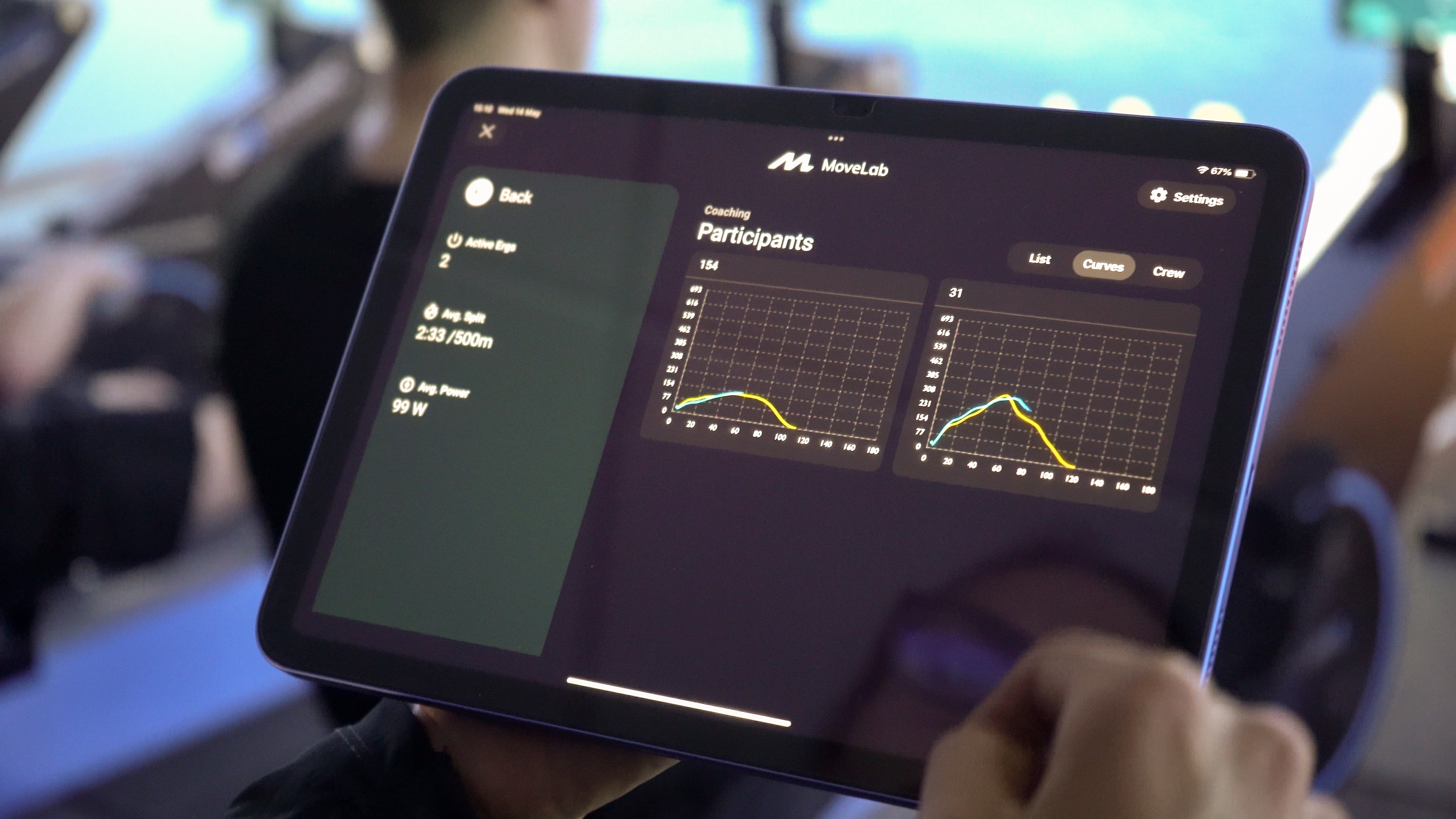
AI personalized coaching: One of the latest developments transforming the fitness industry is AI-powered personalized coaching. At MoveLab Studio, we are developing an AI coach that uses workout history and real-time data from a connected fitness ecosystem to recommend personalized workouts for each user.
Intelligent weight suggestions: No more relying on coaches to remember what a member lifted last week. Connected systems can provide automatic 1RM-based weight suggestions and progressive overload recommendations based on historical performance.
Detailed exercise guidance: Instead of displaying a simple looping exercise video, modern systems can provide:
Muscle tracking visuals
Precise exercise timing
Integrated instructional videos
Performance feedback
Workout progression insights
This creates a more premium and professional experience for members.
Gamification features: One of the biggest benefits of digitalization is long-term motivation. Features like badges, milestones, challenges, leaderboards, workout streaks and performance tracking.
Integration to third party platforms: A digital fitness ecosystem should not exist in isolation. Integrations also allow gyms to centralize bookings, scheduling, member data, workout history, performance analytics. Modern fitness software could integrate with platforms such as:
Smart gym management across locations: Managing multiple facilities manually becomes increasingly difficult as operators grow. Digital infrastructure simplifies operations through:
Centralized management
Automatic screen power scheduling
Location-based branding
Remote content management
Workout and interaction tracking
For example, screens inside gyms can automatically display promotional videos, announcements, or branded content when equipment is idle through narrowcasting functionality. This transforms screens into communication and marketing tools instead of unused hardware.
RFID and seamless authentication: Many gyms are already adopting RFID authentication systems to remove friction and create a far smoother member experience. Members can simply tap a card or wristband to:
Log into equipment
Access training plans
Track workouts automatically
Sync performance data instantly
Staying competitive in a digital-first fitness industry
Europe’s fitness market continues to grow rapidly, creating new opportunities for gyms and studios across the industry. But as competition increases, staying competitive will require more than expanding physical spaces or offering more classes.
Digitalization is becoming one of the biggest factors separating gyms that grow from those that fall behind. From connected equipment and personalized member experiences to smarter operations and data-driven decisions, technology is helping fitness businesses scale more efficiently while creating stronger long-term engagement with members.
Gyms and studios that invest in digital infrastructure today will be better positioned to adapt, differentiate themselves, and stay competitive as the industry continues to evolve.
How MoveLab can help
At MoveLab Studio, we specialize in connected fitness and digitalization solutions for gyms, studios, fitness startups, and equipment manufacturers that want to build a more connected fitness ecosystem and stay competitive in a rapidly evolving industry.
We help fitness businesses bridge the gap between hardware, software, and user experience by creating digital solutions that make fitness more engaging, scalable, and connected.
Whether it is integrating connected equipment, developing immersive training experiences, improving member engagement, or building custom fitness software, our focus is helping fitness brands modernize their ecosystem and prepare for the future of fitness.
As the industry continues to evolve, gyms and fitness companies that embrace digitalization will be better positioned to scale, differentiate themselves, and create stronger long-term relationships with their users.